About Castle Poetry
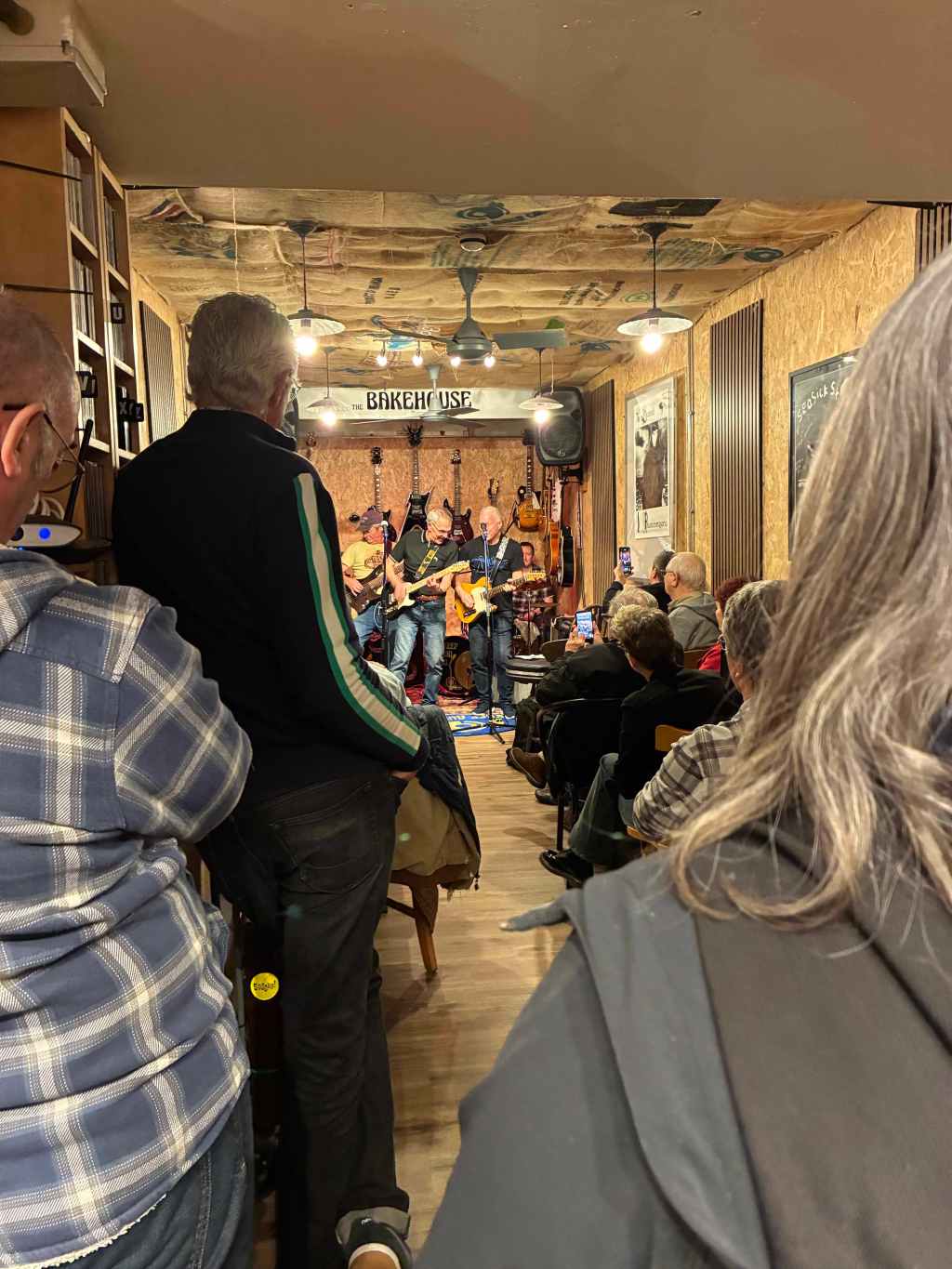
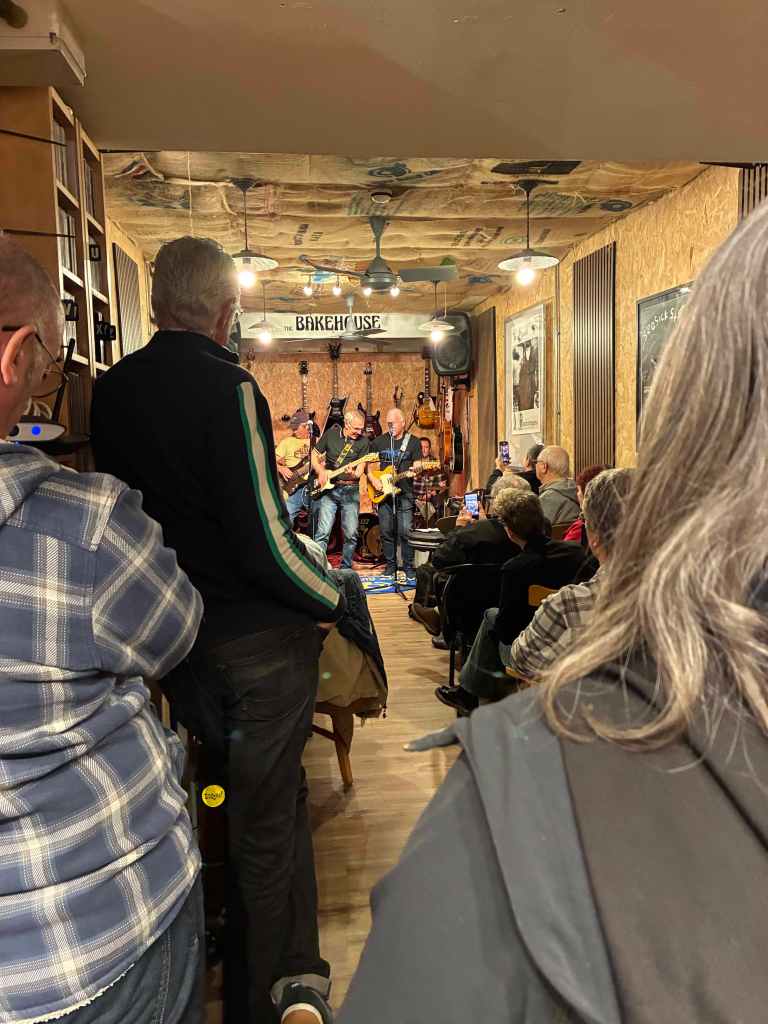
The birth of a new poetry magazine is always somehow extraordinary and memorable. In the case of Castle Poetry, a fevered brain-child of early 2026, I write this on a Sunday afternoon in late March, sitting in a café/record store called Keep Audio Co in Launceston, Cornwall, listening to a Blues jam open mic session. Common As Kings are playing, unless I misheard their name in the introduction, which wouldn’t be surprising; it’s damp outside and the windows are steamed-up, the place is packed with those who have come to listen as well as with clusters of cool-looking musicians with Mafia-style guitar cases and drumsticks, and people are hanging about in groups, chatting, laughing, enjoying themselves. I like that idea that kings are common though, with its curious dual meaning of ‘found everywhere’ and ‘not exalted’. It’s a poetic double entendre, the kind of linguistic trick that raises lyrics – and band names – above ordinary speech.
Music is a form of poetry, with or without lyrics. An arrangement of sounds that invokes a feeling, a vibe, a sensation – sometimes a physical sensation, depending on volume! With that arrangement comes an awareness of structural rightness, for want of a better word, just as poetry does. With lyrics it adds to these by bringing sense and complexity of meaning to the combination. Taken altogether, music is as close to poetry as poetry is to music, in terms of emotional response, at least. Good music may be the best notes in the best order, just as poetry is ‘the best words in the best order’ – according to Coleridge.
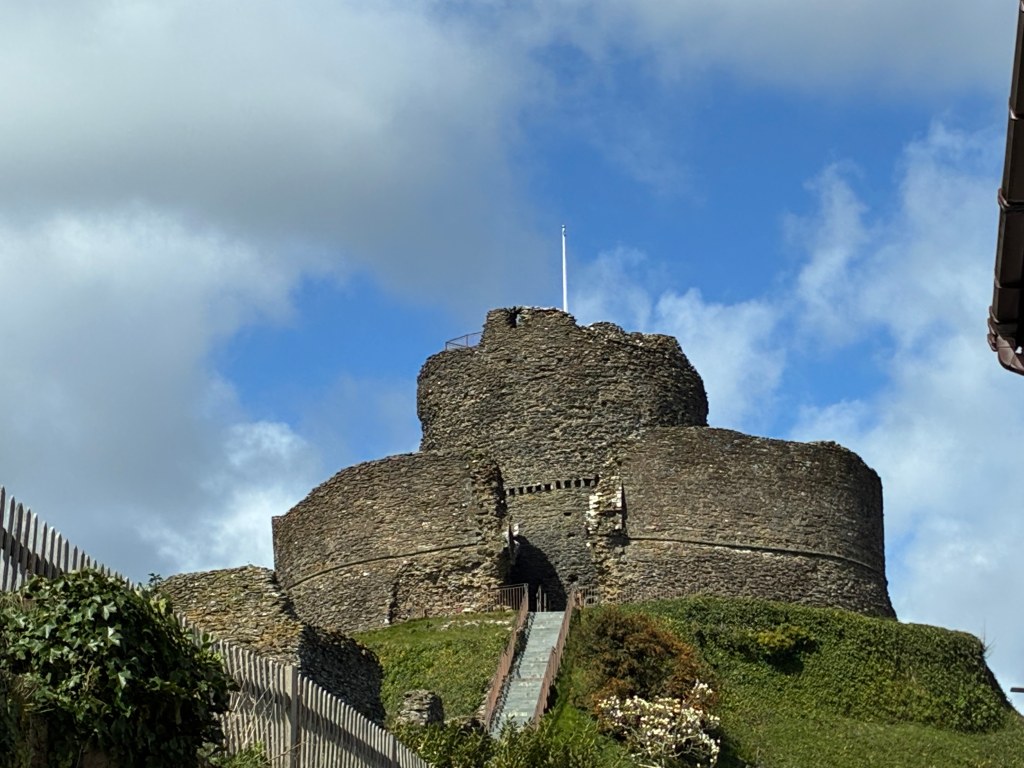
Launceston in the UK is undergoing a cultural renaissance. A quiet Cornish town on the long moorland road between Exeter and Bodmin, Launceston seems at first glance an unlikely place for stirring up the excitement of new music, new poetry, literature et cetera. But this was once the ancient capital of Cornwall, a seat of power and authority, and remnants of that magnificent past are still on show here. There’s the sixteenth century Church of St Mary Magdalene, the fourteenth century South Gate arch (part of the fortifications of this once walled town), and the Norman motte-and-bailey of Launceston Castle. Its impressive ruins loom high above the town and the busy River Kensey in the valley below where a powerful medieval Augustine Priory once stood.
So maybe some locals are eager to recapture their perceived past greatness. Or maybe there’s something of a Hot Fuzz rural backwater vibe driving today’s Launcestonians to build new communities around art and artistry. But whatever is the motivating factor, it’s not just new music communities springing up in the town. About the same weekend as the blues jam, there’s also Tarosvan – the 2026 inaugural Cornwall Festival of Ghost Stories, which claims Launceston as the ‘most haunted capital’ of Cornwall. Then there’s a popular new indie bookshop, Black Cat Books, which hosts author and other literary events most months. Round the corner is The Byre, a ‘feel-good, eco’ artisanal gift and book shop in the town centre that runs open mic poetry nights and a book club. On top of that, Launceston Library hosts several creative writing groups, including a Poetry Stanza workshop affiliated to the UK’s national Poetry Society.
There’s also the Charles Causley Trust in Launceston – Charles Causley was arguably Cornwall’s most famous and certainly best beloved poet, born and bred in Launceston, where he worked most of his life as a schoolteacher and taught many elders of the town. The Causley Trust not only runs a bookshop in the town with a poetry specialism, but offers highly sought-after poetry residencies at Causley’s former home Cyprus Well, a cosy writer’s retreat that can be hired out if you’re looking for a quiet, inspirational space for a week or two. The Trust also hosts an annual poetry festival in May, inviting poets from around the UK to take part – take a look at this year’s line-up.
Adding to all that frenetic activity, the town now has this new literary magazine… Castle Poetry.
Named for the town’s biggest tourist draw, this little poetry magazine is not only for locals who love poetry, or even lovers of castles, but for anyone, anywhere in the world, who enjoys reading and/or writing poetry. It will be mostly online but may also have the odd hard-copy publication – something to rustle as you read – watch this space for further news on that!
As for the magazine’s ethos, the idea of a ‘castle’ should be taken as a refuge or stronghold, a highly visible landmark – with historical gravitas – that can guide lost or confused travellers to safety, or provide shelter inside its strong walls in times of trouble, rather than as a symbol of war or military might. Though Castle Poetry is also about standing firm in the face of attack.
To underline that point, among the first poets to feature in this magazine will be Abigail Elizabeth Ottley, a Cornwall-based poet recently ‘cancelled’ for entirely legitimate views, with her work removed from other publications on the say-so of likely one or two activists who love to go about reporting poets and authors for ‘wrong-think’ to magazine and publishers’ editors, and then rub their hands in glee when those publications scurry to do their bidding by casting the accused – and their work – into outer darkness, often causing great reputational harm at the same time.
As even a cursory glance at my backstory would confirm, I’ve never scurried to do anyone’s bidding and, as I head towards my sixtieth year, I have no plans to start now. We are living through a great age for cancellation on the grounds of political disagreement, and it needs to stop. So I was thrilled and honoured to accept two brilliant poems from Abigail Ottley for Castle Poetry, as well as an assortment of new writing from local poets, and I encourage other editors everywhere to reject the discriminatory notion that writers can and should be cancelled for expressing perfectly ordinary and legally held views, or even just for supporting the rights of others to hold such views.
Reject the poem, by all means, for not being right for your publication. But don’t reject the poet for their opinions.
Jane Holland
Editor: Castle Poetry
Launceston, Cornwall, April 2026
 Castle Poetry