Welsh Not
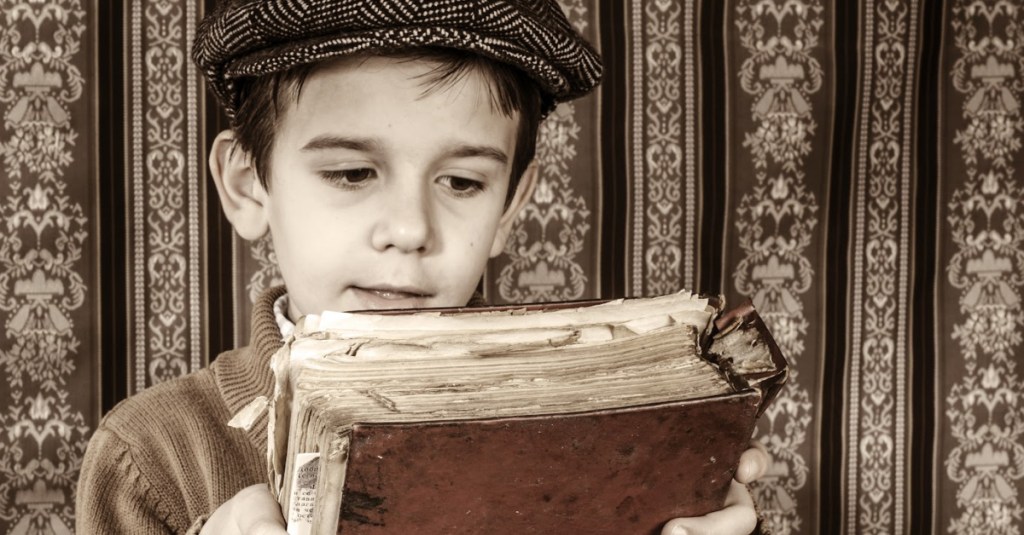
A rebellious child, John Ogwen Jones. Seven years breathing, whispering old forbidden words to anyone still listening.
Cofiwch! Cofiwch! Cofiwch!
Standing on a chair
in the cold corner of contempt.
Wooden block –
sign of the disobedient, the dunce or dunderhead – about his neck.
The weight of displeasure must be felt.
See how he pretends to cower before their heartlessness,
though heartful still with infant pride, knowing he has power in his tongue
to scare them.
Cofiwch, Cofiwch!
Remember, remember.
A recalcitrant boy, John Ogwen Jones, dreams he’s a mab of Glyndwr never comprehended or conquered.
In vain they try,
calculating complicated ways for his certain contrition.
Control in the classroom,
cajole first, then caution:
“Corporal punishment will conclude the day if another Celtic word is uttered in this school.”
John Ogwen Jones must read the label:
Welsh Not. Welsh Not. Welsh Not.
The tongue is still, the heart beats on.
Cofiwch! Cofiwch!
A rebellious old man, John Ogwen Jones. Three-score-years-and-ten or more, whispering words, encouraging an attentive child,
though he feels her mother’s disapproval.
“Oh Dad, give it up.
We don’t speak that here. Those days are gone.”
But she is the lost generation whilst he turns homeward.
John Ogwen Jones cares not for consequences of disobedience. This child is filled with purpose,
waiting,
wishing
wanting wisdom.
His legacy, the power of his tongue, received and loved.
His language, reborn as shared heritage.
The stilled tongue stirs, breaks through barriers,
tests the air,
THEN
VICTORIOUS
routs
the ingrained miasma of Welsh nots, whispers, nay shouts –
Cofiwch, Cofiwch!
Can you say Rhosllanerchrugog without taking a breath?
Does the sound roll off your tongue?
I knew it would. Say it again only louder.
Rhosllanerchrugog!
RHOSLLANERCHRUGOG!
That means moor of the heathery glade. I lived there and once
when playing outside got all muddy and made a twll in my sock.
I’ve got a twll in my mouth, Granddad, look.
Ych a fi, poor you. Never mind, Cariad, the tooth fairy will visit tonight.
And that which was forbidden, sealed in a stopped-up mouth, comes tumbling,
trembling into dayspring,
finds new freedom in a granddaughter’s laughter.
The wyres of Glyndwr.
She will sing his songs to her friends, tell his stories to her children and her children’s children.
I love you Taid.
Dw i’n caru ti
Cofiwch, Cofiwch!
Remember, remember
John Ogwen Jones and freedom of speech.
A member of Launceston Poetry Stanza group, Catherine Bowness has lived in the West-Country for many years, moving here from her original home in North Wales. She has always felt that Welsh and Cornish cultures have much in common.
A former lecturer at Exeter and Plymouth Marjon universities, Catherine researches the histories of West-Country women, performs with a renaissance dance group and enjoys writing poems which link the past to the present.


Leave a Reply